TIRE PRESSURE MONITORING SYSTEM (TPMS)*

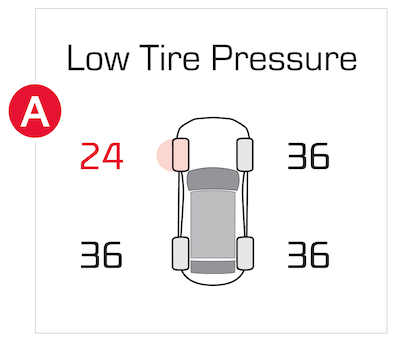
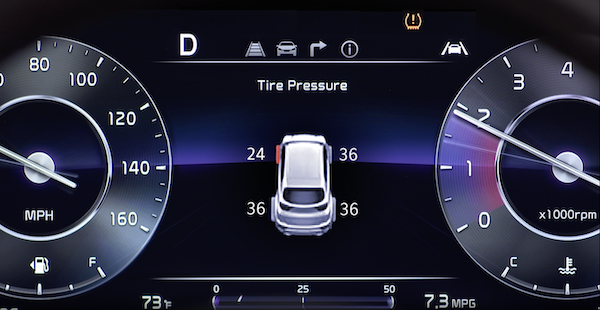
TPMS IconThe TPMS indicator functions as both the Low Tire Pressure Light and the TPMS Malfunction Indicator.

The TPMS indicator is designed to illuminate if it detects one or more tires is significantly underinflated, the vehicle has a spare tire installed without TPMS or tire pressure drops due to the outside temperature becoming significantly lower.

See dealer for service

Quick Tips:

  • Even with TPMS, tire pressure should be checked manually at least once a month. Only adjust tire pressure on “cold tires” that have been sitting for sitting for 3 hours or more, and tires that are not hot in temperature from direct sunlight or heat
  • For proper maintenance and optimal fuel economy, maintain recommended tire inflation pressures and stay within the load limits and weight distribution recommended for your vehicle
  • A significant drop in temperature can cause tire pressures to drop, which may activate the TMPS light. Manually confirm tire pressures after significant changes in temperature or altitude

Reminders:

  • Check the recommended tire pressure label located on the left side of driver’s door jamb, visible when the door is open
  • Consult your dealer for service if Low Tire Pressure Light remains illuminated after inflating your tire(s)
  • Personal electronic devices (such as laptops, wireless chargers, remote start systems, etc.) may interfere with the TPMS system, which may cause the Malfunction Warning Indicator (Check Engine Light) to illuminate

*See LEGAL page for legal information

Certain features are available only on select Kia models. 

Images are for illustrative purposes only and may not reflect actual display. Refer to section 6 in the Owner’s Manual for more information.

Always check the Owner’s Manual for complete operating information and safety warnings.